Pediatric Sleep Apnea: Causes, Signs, and What Works
When a child stops breathing briefly during sleep—often without waking up—it’s called pediatric sleep apnea, a sleep disorder where breathing is interrupted during sleep in children, often due to blocked airways or neurological issues. It’s not just snoring. It’s a real condition that can affect learning, behavior, and even heart health over time. Many parents think their child is just a deep sleeper, but if they’re gasping, choking, or breathing loudly through the mouth every night, it could be more than just noise.
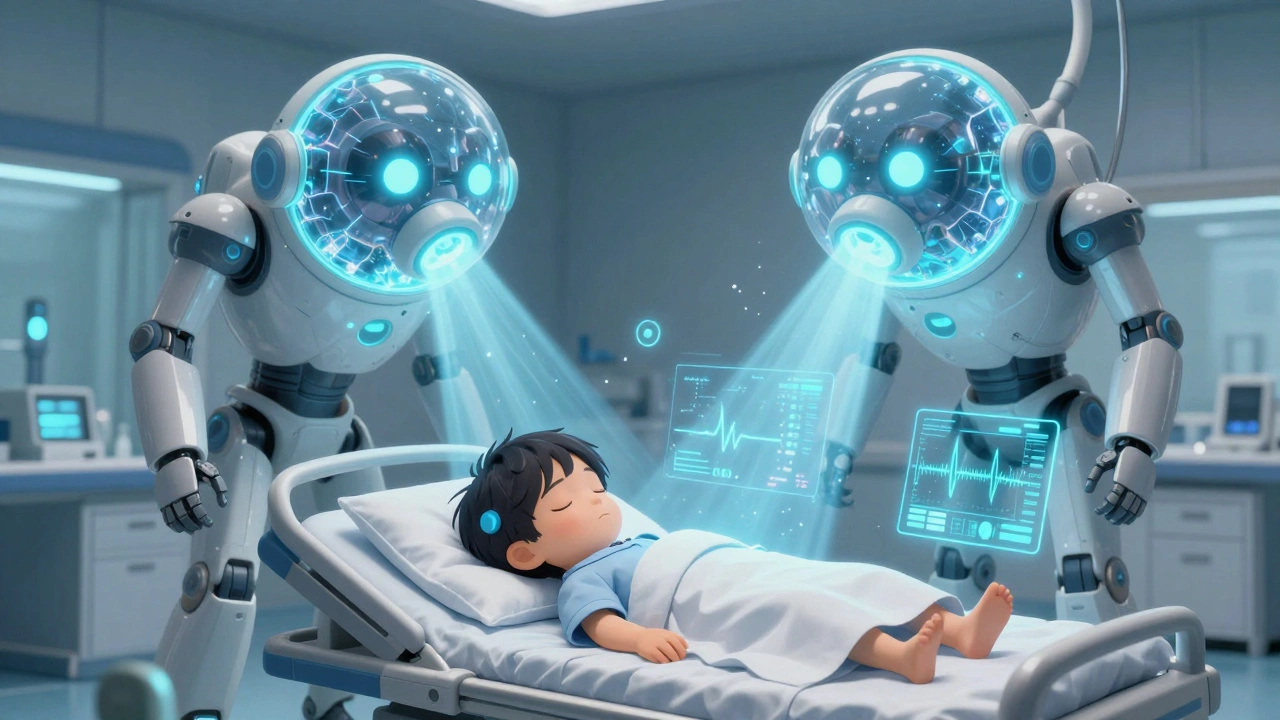
polysomnography, a full overnight sleep study that tracks brain waves, oxygen levels, breathing, and heart rate is still the gold standard for diagnosing this in kids. It’s not scary—it’s just sensors on the skin and a camera in the room. Doctors use it to see how often breathing stops, how low oxygen drops, and whether the brain is waking up silently to restart breathing. This isn’t something you guess at. You need data.
Most cases in children are caused by obstructive sleep apnea, a type of sleep apnea where the airway becomes physically blocked, often by enlarged tonsils or adenoids. Think of it like a straw getting pinched shut while someone tries to breathe through it. Kids with allergies, obesity, or certain facial structures are more at risk. But even thin, healthy kids can have it—especially if they’ve had frequent ear, nose, or throat infections.
It’s not just about sleep. Kids with untreated sleep apnea often struggle in school. They’re fidgety, forgetful, or act out like they have ADHD. Some get headaches in the morning. Others wet the bed more often. Parents report they’re always tired, even after "a full night’s sleep." That’s because their brain is working overtime just to keep them breathing. They never reach deep, restorative sleep.
What helps? For many kids, removing enlarged tonsils and adenoids works better than any medication. It’s a common surgery, and recovery is usually quick. For others, a CPAP machine—gentle air pressure through a mask—is used, even in toddlers. Weight management, allergy control, and sleeping on the side can also make a difference. But you need to know it’s happening first.
And yes, this is more common than you think. One in ten children snores. One in twenty has sleep apnea. Yet most pediatricians don’t screen for it unless a parent brings it up. If your child snores louder than a vacuum cleaner, stops breathing for a few seconds, or wakes up sweaty and confused, don’t wait for them to "grow out of it." Sleep apnea doesn’t fix itself. It just gets worse.
Below, you’ll find real insights from studies and clinical guides on how sleep studies work, what medications can help or hurt, and how other conditions like epilepsy or ADHD overlap with this issue. These aren’t theories—they’re what doctors and researchers are using right now to help kids breathe easier at night.