
What is pediatric sleep apnea?
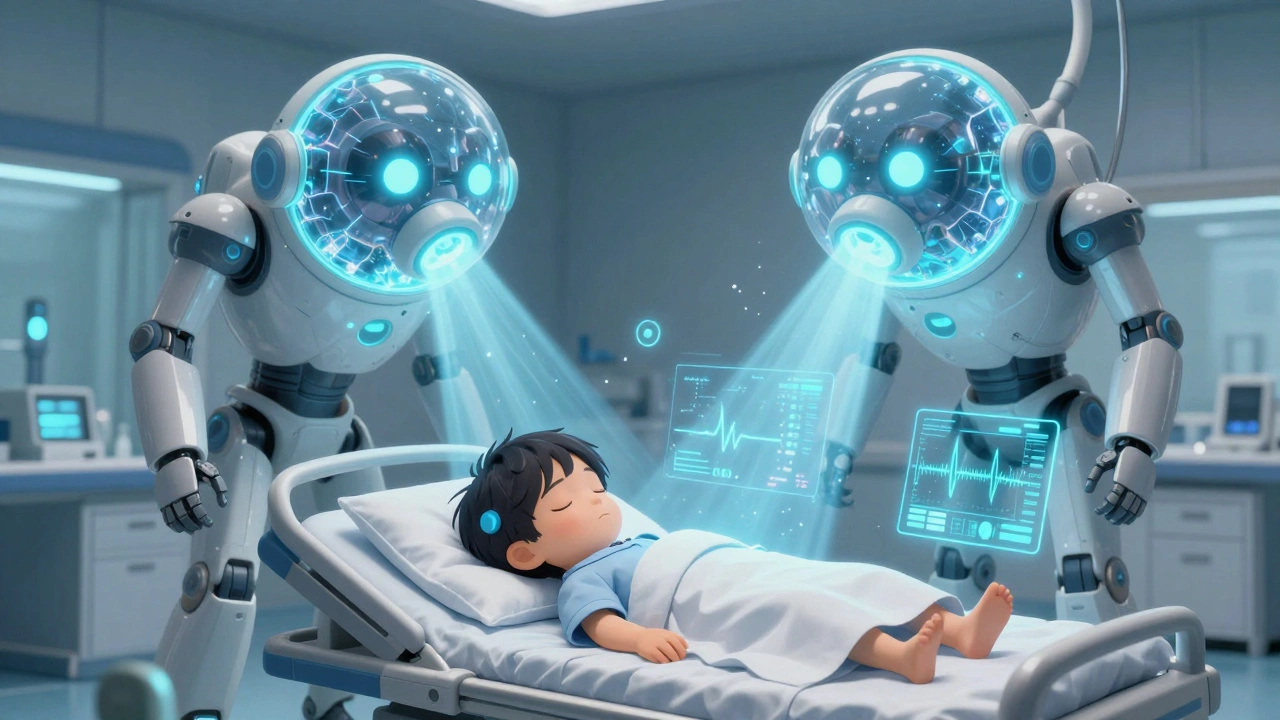
Pediatric sleep apnea happens when a child’s breathing repeatedly stops and starts during sleep. It’s not just snoring-it’s a serious condition where the airway gets blocked, often by enlarged tonsils or adenoids. This forces the child to work harder to breathe, leading to fragmented sleep, low oxygen levels, and daytime problems like irritability, poor focus, or even bedwetting. About 1 to 5% of kids have it, and it’s most common between ages 2 and 6, when their tonsils and adenoids are largest compared to their airway size.
Why do tonsils and adenoids cause sleep apnea in children?
Tonsils and adenoids are lymph tissues meant to help fight infections. But in many kids, they grow too big-not because they’re sick all the time, but just because of how their bodies develop. When these tissues swell, they block the back of the throat, especially when the child lies down and muscles relax during sleep. That’s when breathing stops for a few seconds, sometimes dozens of times an hour. Kids with severe sleep apnea can have 15 to 30 breathing pauses every hour. The result? Poor sleep quality, which affects brain development, growth, and behavior.
How is it diagnosed?
The only way to know for sure is through a sleep study, called polysomnography. During this test, your child sleeps overnight in a clinic while sensors track brain waves, heart rhythm, oxygen levels, chest movement, airflow through the nose and mouth, and muscle activity. It’s not scary-it’s like a regular sleepover with a few wires attached. Doctors look for how often breathing stops, how low oxygen drops, and how disrupted the sleep is. This helps them decide if it’s mild, moderate, or severe-and what treatment to try next.
Why is adenotonsillectomy the first treatment?
If enlarged tonsils and adenoids are the main cause, removing them is the most effective first step. This surgery, called adenotonsillectomy, removes both tissues at once. Studies show it works in 70 to 80% of healthy kids with no other health issues. The American Academy of Pediatrics says this should be the first choice for moderate to severe cases. Many parents worry about surgery, but it’s one of the most common pediatric procedures. Recovery usually takes 7 to 14 days, with soft foods and rest. Some hospitals now offer partial tonsillectomy, which leaves a thin layer of tissue to reduce pain and bleeding. Recovery is faster, and complications drop by about half.
When is CPAP used instead?
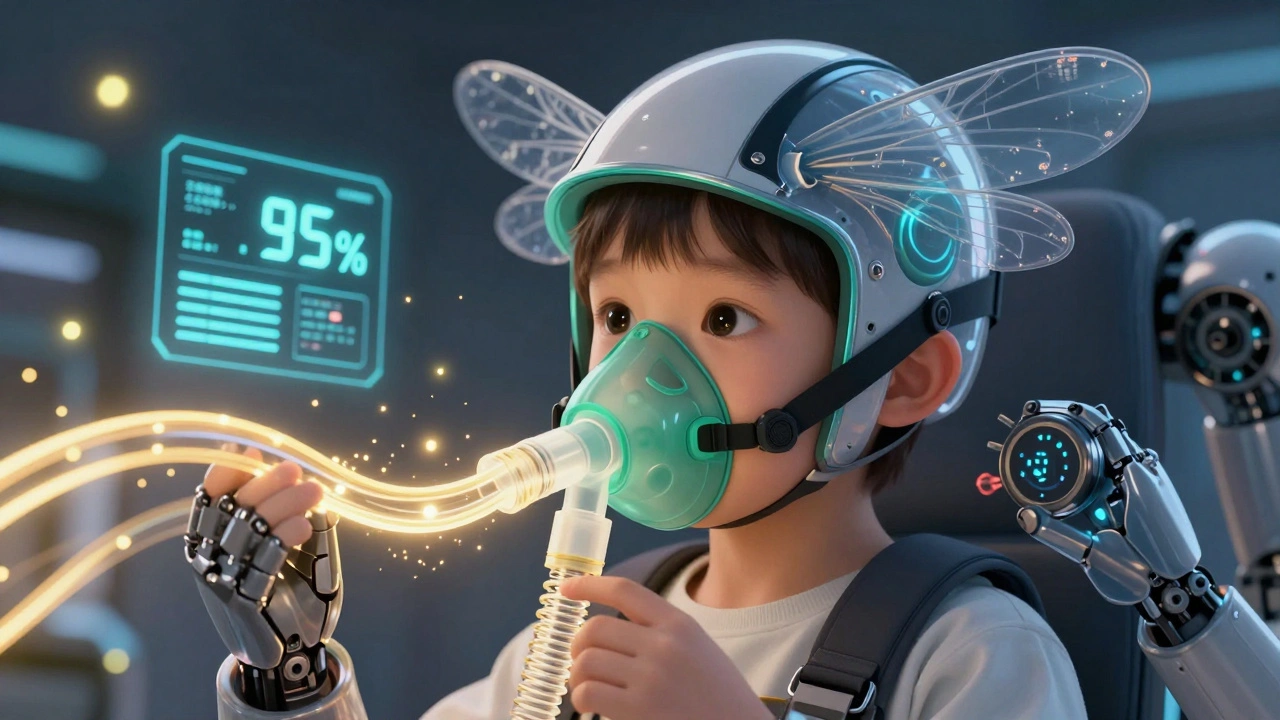
CPAP isn’t the first option-but it’s critical when surgery isn’t possible or doesn’t work. CPAP delivers steady air pressure through a mask to keep the airway open while sleeping. For kids, pressure is set between 5 and 12 cm H2O, carefully adjusted during a follow-up sleep study. It’s highly effective-85 to 95% of kids see their breathing stop completely if they use it every night. But here’s the catch: kids often resist the mask. About 30 to 50% struggle with wearing it consistently. That’s why pediatric sleep centers use smaller, softer masks designed for children, and work with families to make it part of the bedtime routine. It can take weeks to get used to, but with patience and support, many kids adapt.
What if surgery doesn’t fix it?
Even after removing tonsils and adenoids, about 20 to 30% of kids still have sleep apnea. Why? Because the problem isn’t always just size-it’s also shape. Kids with obesity, Down syndrome, cerebral palsy, or craniofacial differences often have airways that are narrow from birth. In these cases, surgery alone doesn’t fix everything. That’s when CPAP becomes the next step. UChicago Medicine and Yale both say CPAP is especially important for children with neurological conditions, severe OSA, or those who still snore and gasp after surgery. Doctors will order another sleep study 2 to 3 months after surgery to check if the problem is gone. If it’s not, CPAP is the go-to solution.
Are there other options besides surgery and CPAP?
Yes-but they’re usually for milder cases or used alongside main treatments. Inhaled nasal steroids, like fluticasone, can shrink swollen tissues over 3 to 6 months. They’re helpful for kids with mild sleep apnea or those waiting for surgery. Oral appliances, like rapid maxillary expansion, use a device worn at night to slowly widen the upper jaw. This works best for kids with narrow palates and takes 6 to 12 months. Montelukast, a pill used for asthma, has shown promise in reducing tonsil size by blocking inflammation signals, but it takes months to work and isn’t approved for this use everywhere. Hypoglossal nerve stimulation, a newer implant that moves the tongue forward during sleep, got FDA approval for kids in 2022-but it’s still rare and only used in very specific cases.
What are the risks of each treatment?
Every option has trade-offs. Adenotonsillectomy carries a 1 to 3% risk of bleeding after surgery, and about 0.5 to 1% of kids need intensive care for breathing problems. But for most, the benefits far outweigh the risks. CPAP has no surgical risks, but poor fit or discomfort can lead to non-adherence. If the mask leaks or is too tight, it causes skin sores or claustrophobia. Regular refitting is needed as kids grow-every 6 to 12 months. Nasal steroids are safe long-term but may cause nosebleeds or irritation. Oral appliances require cooperation and regular orthodontist visits. The key is matching the treatment to the child’s specific cause, not just the most common one.
How do you know which treatment is right for your child?
It depends on three things: the size of the tonsils and adenoids, whether there are other health issues, and how severe the sleep apnea is. If your child is 3 years old, has huge tonsils, no asthma or obesity, and has 20 breathing pauses per hour-surgery is likely the best bet. If your child is 8, overweight, has asthma, and still snores after tonsil removal-CPAP is probably needed. If they have a narrow jaw and mild snoring-expansion or steroids might help. There’s no one-size-fits-all. That’s why a sleep specialist, not just an ENT, should be part of the decision. They’ll look at the full picture: growth charts, sleep study results, medical history, and even family lifestyle.
What happens if it’s left untreated?
Untreated pediatric sleep apnea doesn’t just mean tired kids. It can lead to lasting problems. Chronic low oxygen and broken sleep can affect memory, attention, and learning-some studies link it to lower school performance. It also strains the heart, raising blood pressure and increasing the risk of heart issues later in life. Growth hormone is released during deep sleep, so poor sleep can slow height gain. Behavioral problems like ADHD-like symptoms are common. The earlier it’s treated, the better the chances of reversing these effects. Many kids bounce back completely after treatment-better sleep, better grades, fewer tantrums.
What should parents do next?
If you suspect your child has sleep apnea-loud snoring, gasping at night, mouth breathing, daytime sleepiness, or behavioral issues-talk to your pediatrician. Ask for a referral to a pediatric sleep specialist. Don’t wait. Early diagnosis means early treatment, and early treatment means better outcomes. Keep a sleep diary: note snoring frequency, how often they wake up, if they sweat at night, or if they’re unusually cranky in the morning. Bring this to the appointment. It helps doctors spot patterns faster. And remember: you’re not alone. Thousands of families go through this every year. The tools to fix it exist. The path forward is clear.
Desmond Khoo
December 8, 2025 AT 20:42Louis Llaine
December 8, 2025 AT 23:49Jane Quitain
December 10, 2025 AT 03:55Kyle Oksten
December 10, 2025 AT 11:50Ted Rosenwasser
December 11, 2025 AT 17:55Kurt Russell
December 12, 2025 AT 00:42Stacy here
December 12, 2025 AT 08:22Kyle Flores
December 14, 2025 AT 07:49Ryan Sullivan
December 15, 2025 AT 01:21Wesley Phillips
December 15, 2025 AT 05:31Olivia Hand
December 16, 2025 AT 00:30Sam Mathew Cheriyan
December 17, 2025 AT 05:50Ernie Blevins
December 17, 2025 AT 08:35Nancy Carlsen
December 18, 2025 AT 18:41Helen Maples
December 19, 2025 AT 07:11