

Almost everyone takes medication at some point-whether it’s a daily pill for blood pressure, an antibiotic for an infection, or a painkiller after a bad back. But what happens when that pill doesn’t just help-it hurts? Side effects aren’t rare. They’re normal. But knowing which ones are harmless and which ones are dangerous can make all the difference.
What Are Medication Side Effects?
Side effects, or adverse drug reactions (ADRs), are unwanted reactions to a medicine at normal doses. They’re not mistakes. They’re built into how drugs work. For example, an antihistamine stops sneezing by blocking acetylcholine-but that same action causes dry mouth and drowsiness. About 75% to 80% of side effects are predictable and tied to the drug’s main action. These are called Type A reactions. They’re usually mild: nausea, dizziness, constipation. The other 15% to 20% are Type B-unpredictable, rare, and sometimes life-threatening. These are immune-driven and can happen to anyone, even if they’ve taken the drug before without issue.Most Common Side Effects You’ll Actually Experience
You’re far more likely to deal with a headache or upset stomach than a serious allergic reaction. According to data from MedStar Health and Harvard Health, these are the top five side effects across nearly all medication classes:- Nausea and upset stomach - Happens because drugs pass through your gut. Even something as simple as aspirin can irritate the lining.
- Drowsiness or fatigue - Common with antidepressants, antihistamines like Benadryl, and anxiety meds like Xanax. It’s not just being tired-it’s brain chemistry being slowed down.
- Headache - Surprisingly common. Sometimes it’s the drug itself, sometimes it’s withdrawal from caffeine or other substances.
- Constipation or diarrhea - Opioids cause constipation. Antibiotics can wipe out good gut bacteria and cause diarrhea. Both are so common they’re practically expected.
- Dry mouth - A side effect of over 400 medications, including blood pressure pills and antidepressants. It’s not just uncomfortable-it raises your risk of cavities and infections.
Even over-the-counter drugs aren’t safe from side effects. Naproxen (Aleve) can cause stomach bleeding. Diphenhydramine (Benadryl) can lead to confusion in older adults. And yes-grapefruit juice can dangerously boost levels of some blood pressure and cholesterol drugs. It’s not myth. It’s science.
When Side Effects Turn Dangerous
Not every itch or stomach cramp is an emergency. But some reactions need immediate action. The FDA defines a serious side effect as one that causes:- Death
- Life-threatening conditions
- Hospitalization
- Permanent damage
- Birth defects
Here are the big ones you need to recognize:
- Anaphylaxis - Sudden swelling of the throat, hives, trouble breathing, rapid pulse. This can kill in minutes. If you feel this after taking a new pill, call 911.
- Stevens-Johnson Syndrome (SJS) and Toxic Epidermal Necrolysis (TEN) - Starts like a bad rash, then skin begins peeling off like a burn. Often begins with fever and flu-like symptoms. Seen with antibiotics, seizure meds, and gout drugs.
- DRESS syndrome - Rash, swollen lymph nodes, fever, and liver damage. Can affect kidneys or lungs. Often triggered by anticonvulsants or allopurinol.
- Internal bleeding - Unexplained bruising, blood in stool or urine, vomiting blood. Common with blood thinners like warfarin or even high-dose NSAIDs.
- Abnormal heart rhythms - Feeling your heart race, skip, or flutter. Can be caused by antibiotics, antifungals, or even some cold medicines.
- Suicidal thoughts - Especially with antidepressants in young adults under 25. It’s rare, but real. If you or someone you know feels hopeless or unsafe after starting a new med, get help now.
Some drugs carry black box warnings-the strongest alert the FDA can give. Efavirenz (for HIV), certain antidepressants, and even psoriasis drugs like Raptiva (now pulled from the market) have had these. They’re not scare tactics. They’re life-saving flags.
Chemo, Radiation, and Other Heavy-Hitter Treatments
Cancer treatments are designed to kill fast-growing cells. That’s great for tumors-but bad for hair follicles, bone marrow, and gut lining. That’s why side effects are so intense:- Hair loss - Usually temporary. Comes back after treatment ends.
- Fatigue - Not just tired. Bone-deep exhaustion that doesn’t go away with sleep.
- Low blood counts - Leads to infections (low white cells), bruising (low platelets), and dizziness (low red cells).
- Diarrhea or constipation - Abdominal radiation often causes diarrhea starting 3-5 days in. Head and neck radiation can cause dry mouth and trouble swallowing.
- Infertility or early menopause - Common with pelvic radiation or certain chemo drugs. If you’re planning a family, talk to your oncologist before starting.
These aren’t just side effects-they’re part of the treatment trade-off. But knowing what to expect helps you prepare. Many patients don’t realize their dry mouth from radiation can last for years. Or that chemo-induced nerve pain (neuropathy) can linger long after treatment ends.

Why Older Adults Are at Higher Risk
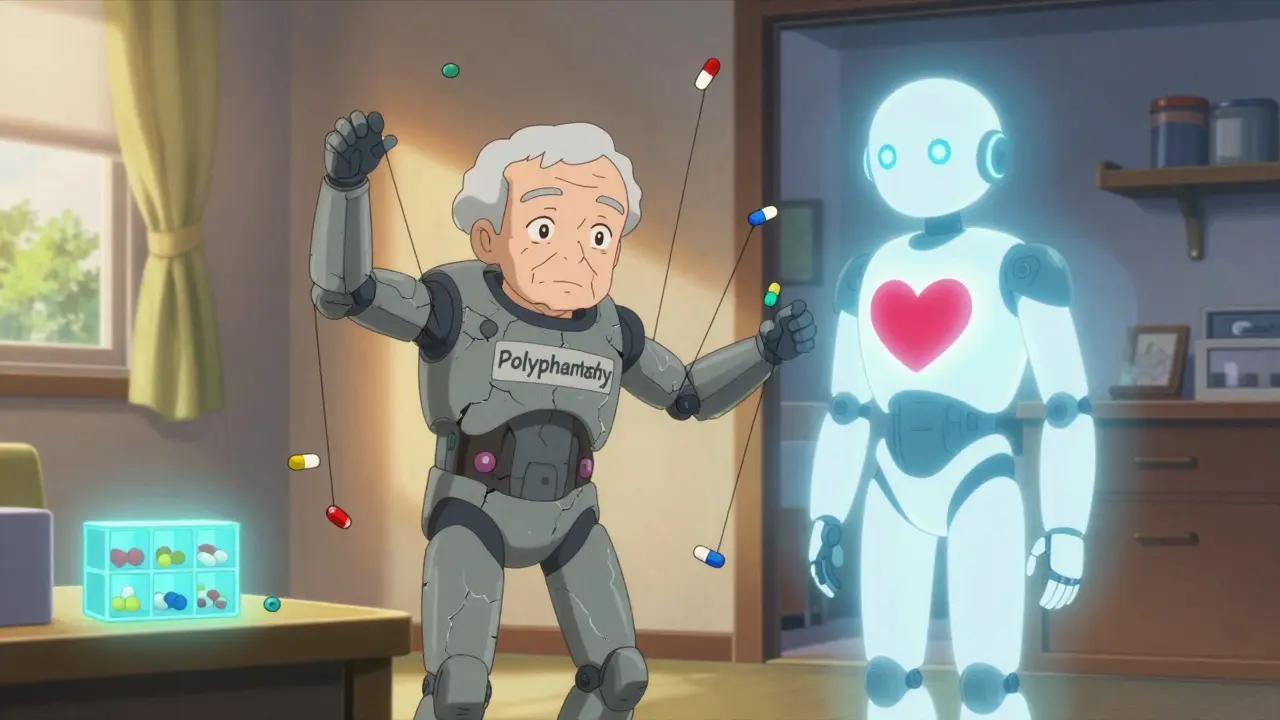
People over 65 are 3 times more likely to be hospitalized for side effects than younger adults. Why? Three big reasons:- Multiple medications - Taking 5 or more drugs at once (polypharmacy) increases interaction risks. A blood pressure pill plus a painkiller plus a sleep aid? That’s a recipe for dizziness and falls.
- Slower metabolism - Liver and kidney function decline with age. Drugs stick around longer, building up to toxic levels.
- Brain sensitivity - Benzodiazepines like Xanax or Ativan can trigger delirium in seniors. Even Benadryl can cause confusion, memory loss, or hallucinations.
One study found 17.3 adverse drug events per 1,000 older adults each year. That’s not normal. It’s a warning sign our healthcare system isn’t adjusting for aging bodies.
Drug Interactions You Can’t Ignore
A side effect isn’t always from the drug alone. It’s often from what you mix it with.- Alcohol + opioids or sedatives - Slows breathing. Can cause fatal overdose. Even one drink with a painkiller can be risky.
- Grapefruit juice + statins or blood pressure meds - Blocks enzymes that break down drugs. Levels spike. Can cause muscle damage or dangerously low blood pressure.
- St. John’s Wort + antidepressants - Can cause serotonin syndrome: high fever, rapid heartbeat, seizures. Seen in people self-medicating for depression.
- Antibiotics + birth control - Not all do this, but rifampin and some others can reduce effectiveness. Use backup protection.
And don’t forget supplements. Vitamin K can undo warfarin. Calcium can block thyroid meds. Many patients don’t tell their doctors about their herbal teas or fish oil. That’s how accidents happen.
When to Call Your Doctor (And When to Just Wait)
Not every side effect needs a trip to the clinic. But you need a rule of thumb:- Wait and monitor: Mild nausea, slight drowsiness, dry mouth. These often fade after a week or two as your body adjusts.
- Call your doctor: If it lasts more than 2 weeks, gets worse, or interferes with daily life (can’t sleep, can’t work, can’t eat).
- Go to the ER: Any sign of anaphylaxis, skin peeling, chest pain, confusion, bleeding you can’t explain, or sudden weakness.
Harvard Health says: “If it’s bothersome, persistent, or severe-call your provider.” That’s it. No need to overthink it. Your doctor has seen this before. They’d rather hear from you early.
How to Report Side Effects (And Why It Matters)
You might think reporting a side effect is pointless. But here’s the truth: less than 5% of all adverse reactions are ever reported. That means drug safety data is incomplete.In the U.S., the FDA runs MedWatch. You can report online, by phone, or by mail. In Australia, it’s the TGA’s Adverse Drug Reaction Reporting system. In the UK, it’s the Yellow Card Scheme. Even if you’re not a doctor, you can report.
Why bother? Because your report might save someone else’s life. If 10 people report the same rare rash after taking a new drug, regulators can investigate. If 100 do? The drug might get a black box warning-or be pulled entirely.
And yes-your report is anonymous. You don’t need to give your name. But if you do, they can follow up. It’s not about blame. It’s about safety.
What You Can Do Today
You don’t have to wait for a crisis to protect yourself. Here’s what works:- Keep a meds list - Write down every pill, patch, vitamin, and supplement. Bring it to every appointment.
- Ask: “What are the top 3 side effects?” - Don’t just accept “it’s fine.” Ask for specifics.
- Use trusted sources - The National Library of Medicine’s Drug Information Portal is free and reliable. Avoid random blogs.
- Don’t stop meds cold - Especially antidepressants, blood pressure pills, or seizure drugs. Tapering matters.
- Set reminders - Missed doses can cause withdrawal or rebound effects. Use a pill organizer or phone alert.
Medications save lives. But they’re not harmless. The goal isn’t to fear them-it’s to understand them. Know the risks. Know the signs. And never be afraid to speak up.
Are all side effects dangerous?
No. Most side effects are mild and temporary-like a dry mouth or slight drowsiness. These often fade after a few days as your body adjusts. But if a side effect is new, worsening, or interfering with your daily life, it’s worth talking to your doctor. Not every side effect is an emergency, but every one deserves attention.
Can over-the-counter drugs cause serious side effects?
Absolutely. NSAIDs like ibuprofen or naproxen can cause stomach bleeding, especially in older adults or people with kidney issues. Even common antihistamines like Benadryl can lead to confusion, urinary retention, or dangerous drops in blood pressure in seniors. Just because it’s sold without a prescription doesn’t mean it’s safe for everyone.
Why do side effects happen more often in older people?
Older adults often take multiple medications, their liver and kidneys process drugs slower, and their brains are more sensitive to certain chemicals. For example, benzodiazepines (used for anxiety or sleep) can cause falls and delirium in seniors. Even a small dose can have a big effect. Polypharmacy and age-related changes make side effects more likely-and more dangerous.
Should I stop taking a medication if I get a side effect?
Never stop a prescription medication without talking to your doctor first. Stopping suddenly can cause withdrawal symptoms, rebound effects, or even dangerous spikes in blood pressure or seizures. Instead, call your provider. They may adjust the dose, switch the drug, or suggest a way to manage the side effect without stopping treatment.
Can I report side effects if I’m not a doctor?
Yes. Anyone can report a side effect-even patients. In the U.S., you can file a report through the FDA’s MedWatch program. In Australia, it’s the TGA. Your report helps regulators spot patterns. If multiple people report the same rare reaction, it can lead to stronger warnings or even drug recalls. Your voice matters.
Do all drugs have side effects?
Yes. Every medication has the potential to cause side effects-even vitamins and herbal supplements. That’s because drugs work by changing how your body functions. If something changes how your body works, there’s always a chance of unintended consequences. The goal isn’t to find a drug with zero side effects-it’s to find the one where the benefits clearly outweigh the risks.
Nicole Beasley
December 28, 2025 AT 23:08sonam gupta
December 29, 2025 AT 21:23Julius Hader
December 31, 2025 AT 16:14Vu L
January 1, 2026 AT 02:33James Hilton
January 1, 2026 AT 05:28Mimi Bos
January 2, 2026 AT 22:38Payton Daily
January 3, 2026 AT 20:31oluwarotimi w alaka
January 4, 2026 AT 05:23Debra Cagwin
January 4, 2026 AT 19:29Hakim Bachiri
January 5, 2026 AT 19:19Celia McTighe
January 6, 2026 AT 11:48Ryan Touhill
January 6, 2026 AT 17:17