
When you pick up a generic drug at the pharmacy, you expect it to work just like the brand-name version. And for the most part, it does. The FDA requires generics to match the brand-name drug in active ingredient, strength, dosage form, and how the body absorbs it. But here’s the hidden gap: generic drug safety alerts don’t always keep up with new risks - and that’s a problem millions of Americans face every day.
How FDA Safety Alerts Work - and Where They Fall Short
The FDA tracks drug safety through its MedWatch program, which collects reports of side effects, errors, and other problems from doctors, pharmacists, and even patients. When something serious pops up - like a new heart rhythm issue or liver damage linked to a drug - the FDA issues a safety alert. These alerts update warning labels, send out public notices, and sometimes lead to changes in how a drug is used. But here’s the catch: only brand-name drug makers can update their own safety labels without waiting for FDA approval. They use something called the "Changes Being Effected" (CBE) process. If new evidence emerges, they can quickly add a warning, then notify the FDA afterward. It’s fast. It’s flexible. It’s how most safety updates happen. Generic manufacturers? They can’t. Under rules set by the Hatch-Waxman Act of 1984, they must use the exact same label as the original brand-name drug. Even if new data shows a serious risk, they can’t change their label until the FDA forces the brand-name maker to update theirs - and then approves the change for generics too. That process can take months, sometimes over a year. This means patients taking a generic version of a drug might be unaware of a newly discovered danger while the brand-name version carries a clear warning. It’s not a technical glitch. It’s a systemic flaw.Why This Matters for Real People
Nearly 9 out of 10 prescriptions in the U.S. are filled with generic drugs. Insurance companies push them because they cost 80-85% less. For many, generics are the only option. But if a safety alert isn’t on their label, they might not know:- That their drug could interact dangerously with a common over-the-counter pain reliever
- That a new study links it to kidney damage in older adults
- That a different formulation might increase the risk of side effects
The Industry Pushback - And Why It’s Complicated
Generic drug companies argue that giving them the power to change labels would open them up to lawsuits. If they add a warning, they could be blamed for implying the drug is unsafe - even if the FDA hasn’t confirmed the risk. If they don’t, and harm occurs, they could be sued for failing to warn. The Generic Pharmaceutical Association (GPhA) says the 2013 proposal "contradicts the Hatch-Waxman Act" and could drive smaller manufacturers out of business. They worry that one lawsuit could bankrupt a company that makes only one generic drug. But here’s the irony: brand-name companies are already being sued for not updating warnings fast enough. Courts have ruled that manufacturers have a duty to inform patients of known risks. So why should generics be treated differently? The real issue isn’t about liability - it’s about fairness. If a drug’s safety profile changes, shouldn’t everyone taking it - regardless of whether it’s generic or brand - get the same warning?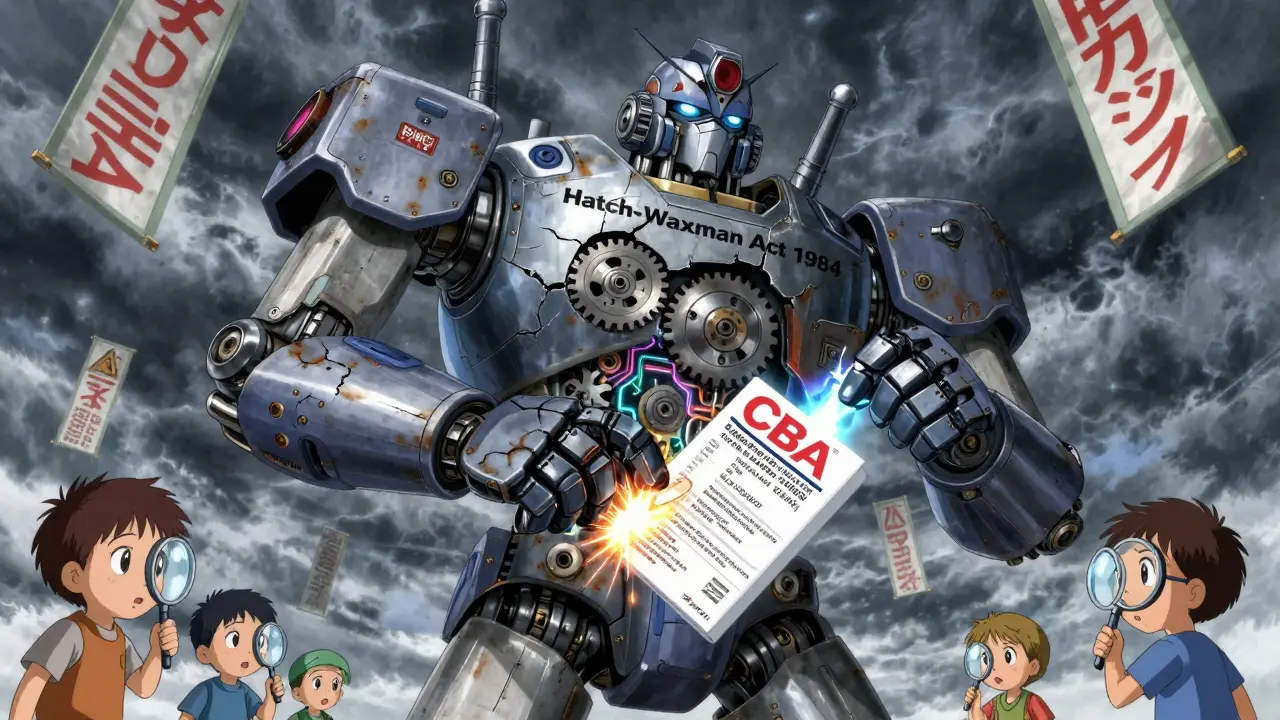
What’s Actually in the Bottle? The Hidden Differences
You might think generics are identical. But they’re not. While the active ingredient must match, other things can differ:- Excipients (inactive ingredients like dyes, preservatives, fillers)
- Shape, size, or scoring of the pill
- Release mechanism (extended-release vs immediate-release)
- Packaging and expiration dates
How the FDA Monitors Generic Drugs Today
The FDA doesn’t just wait for reports. Its Office of Generic Drugs runs active surveillance:- Monthly reviews of the FDA Adverse Event Reporting System (FAERS)
- Monitoring for unusual spikes in side effects after a generic launches
- Proactive checks on complex generics - like patches, inhalers, or long-acting injectables
What You Can Do
If you take generic drugs:- Check the FDA’s Drug Safety and Availability page regularly. It lists recent alerts, label changes, and recalls.
- Ask your pharmacist: "Is there a newer safety warning on this drug?" They have access to updated databases.
- Report side effects to MedWatch. Even one report can trigger a review.
- Don’t assume "same drug = same risk." If your generic looks different, ask if it’s the same manufacturer.
What’s Next?
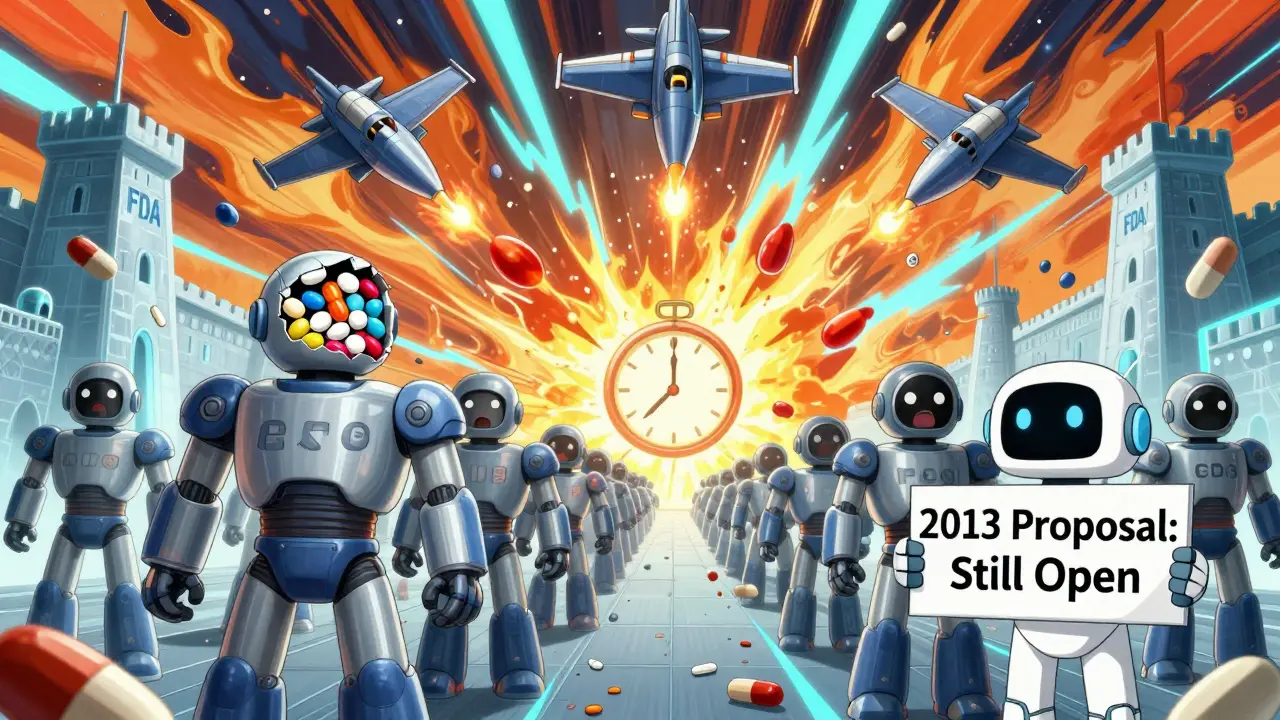
As of 2026, the 2013 proposal remains open. No final rule has been issued. But pressure is growing. More doctors are speaking up. More patients are asking questions. And with complex generics - like biosimilars and long-acting injectables - becoming more common, the need for a modernized system is urgent. The FDA has the authority to fix this. The question is whether it will.Can generic drug manufacturers update their own safety labels?
No. Under current FDA rules, only brand-name drug manufacturers can update safety labels using the "Changes Being Effected" (CBE) process. Generic manufacturers must wait for the brand-name maker to update the label, then get FDA approval to match it. This can delay critical safety updates by months or even over a year.
Are generic drugs as safe as brand-name drugs?
Yes - in terms of active ingredients, strength, and how the body absorbs the drug. The FDA requires generics to meet the same quality, purity, and performance standards as brand-name drugs. However, differences in inactive ingredients (excipients), pill shape, or release mechanisms can affect how some people respond - especially those with allergies, kidney disease, or other sensitivities.
Why doesn’t the FDA require generics to have the same labels as brand-name drugs?
They do - but only at the time of approval. The problem is that brand-name labels can be updated after approval, while generics must wait. The FDA’s 2013 proposal aimed to fix this by letting generics update labels independently, but it has not been finalized. Until then, labels can become outdated for generics even when brand-name versions have new warnings.
How can I find out if my generic drug has a new safety alert?
Check the FDA’s Drug Safety and Availability page, which lists all current alerts and label changes. You can also ask your pharmacist to check the latest FDA updates. If you notice new side effects, report them to MedWatch - patient reports are a key part of the FDA’s safety monitoring system.
Do excipients in generic drugs affect safety?
Yes. While active ingredients must match, inactive ingredients like dyes, preservatives, or fillers can vary. For most people, this doesn’t matter. But for those with allergies, sensitivities, or chronic conditions, differences in excipients can change how a drug is absorbed or how side effects manifest. The FDA has flagged cases where a generic’s different formulation led to higher nausea rates in older patients.
Darlene Gomez
March 22, 2026 AT 15:10It’s wild how we let profit dictate safety here. Generics save people money, sure - but not if they’re flying blind on side effects. The FDA’s 2013 proposal wasn’t radical. It was common sense. If a drug’s risk profile changes, everyone taking it deserves to know - no matter who made the pill. This isn’t about lawsuits. It’s about dignity.
Patients aren’t just numbers on a spreadsheet. We’re mothers, fathers, grandparents trying to manage chronic conditions on a fixed income. We shouldn’t have to Google every drug twice just to stay alive.
Katie Putbrese
March 23, 2026 AT 01:37Why are we even having this conversation? The FDA is supposed to protect Americans, not let foreign labs and bottom-feeding generic companies cut corners. Brand-name drugs have decades of testing. Generics? They’re just chemical copies with cheaper fillers. If you want safety, pay for the real thing. Stop whining about labels - if you can’t afford the brand, maybe you shouldn’t be on the drug at all.
Jacob Hessler
March 24, 2026 AT 04:01generic companies cant change labels? lol. so they just sit there while people get hurt? dumb. the fda is just lazy. why not let them update? its not that hard. i take a generic blood pressure med and i had no idea there was a new warning till my pharmacist told me. that's scary.
Amber Gray
March 25, 2026 AT 19:49generic labels are a joke. 😑 i took a generic version of my antidepressant and started having weird heart palpitations. i called my doc. turns out the brand had a black box warning for that. my pill? nothing. zero. zilch. 🤡 why does this still happen???
Danielle Arnold
March 27, 2026 AT 10:16Oh wow. A 10-year-old FDA proposal is still open? I guess we’re all just waiting for the apocalypse to come with a side of generic ibuprofen.
Donna Fogelsong
March 28, 2026 AT 03:58This is all part of the pharmaceutical deep state. The FDA and Big Pharma are in bed together. Brand-name companies don’t want generics updating labels because they know it’ll expose how much they overcharge. The whole system is rigged. You think your generic is safe? Think again. They’re testing on real people every day. You’re just lucky if you haven’t been a statistic yet.
Sean Bechtelheimer
March 30, 2026 AT 03:53the fda is controlled by big pharma. they dont want generics to update labels because then people would realize how many bad ingredients are in them. also, the excipients? those are laced with microchips. 🤫 they track who takes what. i read it on a forum. its real. dont trust your pills. ever.
Seth Eugenne
March 31, 2026 AT 12:09I really appreciate this breakdown. It’s easy to assume generics are identical, but the truth is more nuanced - and honestly, a little scary. I’m a nurse, and I’ve seen patients have reactions to generics because of excipients they didn’t know about. The solution isn’t to stop using generics - it’s to fix the system. Let them update labels. Empower pharmacists. Educate patients. Small changes, huge impact.
Raphael Schwartz
March 31, 2026 AT 18:41they should just make all drugs brand. if you cant afford it dont take it. problem solved. no more drama. just pay up.
winnipeg whitegloves
April 1, 2026 AT 14:16As a Canadian who’s watched this whole mess from across the border, I gotta say - your system’s a mess. We don’t have this gap because our regulators don’t treat generics like second-class citizens. You’ve got a 90% generic usage rate? Then you’ve got a moral obligation to make sure every single one is as safe as the original. Fix the rules. Not the blame.
Rachele Tycksen
April 2, 2026 AT 07:55so i took a generic version of my thyroid med and my doc had to switch me back because my tsh went haywire. i asked why. he said "the filler changed." like... what?? i thought generics were identical. turns out theyre not. so now im paying 3x more. thanks america.
Rama Rish
April 3, 2026 AT 09:16as someone from india where generics are the norm, this hits hard. we make 40% of the world's generics. but we also know how dangerous bad fillers can be. please fix this. people are dying because labels are outdated. its not just an american problem anymore.
Kevin Siewe
April 3, 2026 AT 09:25One thing people overlook: pharmacists are on the front lines here. They see the reactions, the confusion, the missed alerts. But they’re not allowed to change labels or even warn patients directly in many cases. The system silences the people who know best. If we want change, start by giving pharmacists the authority to communicate updates - even if the label hasn’t caught up.
J. Murphy
April 3, 2026 AT 18:33why are you even reading this? the fda doesnt care. the drug companies dont care. your life is a spreadsheet. move on.