

Every year, thousands of heart patients take digoxin to manage heart failure or irregular heartbeats like atrial fibrillation. It’s been around for decades, and for some, it still works - but only if they know what to watch out for. The problem isn’t the drug itself. It’s what happens when it meets other medicines, foods, or even supplements. A simple change - like starting a new antibiotic or eating oatmeal with your pill - can push digoxin levels into the danger zone. And when that happens, the side effects aren’t mild. Nausea, blurry vision, slow heartbeat, even life-threatening rhythms. This isn’t theory. It’s what real patients experience.
Why Digoxin Is Different
Digoxin isn’t like most heart medications. Most drugs have a wide safety window. You can miss a dose or take a little extra without serious consequences. Digoxin doesn’t work that way. Its therapeutic range is razor-thin: 0.5 to 0.9 ng/mL is the sweet spot. Go above 2.0 ng/mL, and toxicity becomes likely. Even levels between 1.0 and 1.5 ng/mL can cause problems in older adults or those with kidney issues. That’s why monitoring isn’t optional - it’s essential.It works by slowing down the sodium-potassium pump in heart cells. That sounds technical, but here’s what it means: it makes your heart beat stronger and slower, which helps when it’s weak or racing. But that same mechanism is what makes it so sensitive to other drugs. Change the balance of sodium or potassium in your body, and digoxin’s effect changes too.
Top 5 Drug Interactions You Can’t Ignore
Not all drug interactions are equal. Some are minor. Others can land you in the ER. Here are the five biggest risks:
- Dronedarone - Used for atrial fibrillation, this drug can boost digoxin levels by more than 50%. The PALLAS trial showed patients on both drugs had a 2.5 times higher risk of sudden death. If you’re prescribed dronedarone, your digoxin dose must be cut in half - and your blood levels checked weekly for at least two weeks.
- Verapamil and Diltiazem - These calcium channel blockers are common for high blood pressure and chest pain. But they slow how fast your kidneys clear digoxin. Levels can rise 30-50%. The result? Heart rates below 40 bpm, dizziness, fainting. Many patients don’t realize their slow pulse isn’t just aging - it’s a drug interaction.
- Amiodarone - A powerful antiarrhythmic, often used when other drugs fail. It can spike digoxin levels by 100% or more. One patient on Reddit shared that after starting amiodarone, their digoxin level jumped from 0.8 to 1.9 ng/mL in two weeks. They ended up in the hospital with nausea, confusion, and vision changes.
- Erythromycin and Tetracycline - Antibiotics you might get for a sinus infection or pneumonia. These don’t affect digoxin the way you’d expect. They change the bacteria in your gut that normally break down digoxin. Less breakdown = higher levels. Even a 7-day course can push you into toxicity.
- Quinidine - Rarely used now, but still found in some older prescriptions. It can double digoxin levels by blocking kidney clearance. This combo is a known red flag - and should never be used together without close supervision.
What You Eat (and Don’t Eat) Matters
It’s not just pills. Your diet can make or break your digoxin therapy.
Black licorice is a silent killer for digoxin users. The active ingredient, glycyrrhizin, pulls potassium out of your body. Low potassium + digoxin = high risk of dangerous heart rhythms. One study found patients who ate even a few pieces of black licorice per week had significantly higher rates of arrhythmias. No exceptions. If you love licorice, switch to red licorice - it doesn’t contain glycyrrhizin.
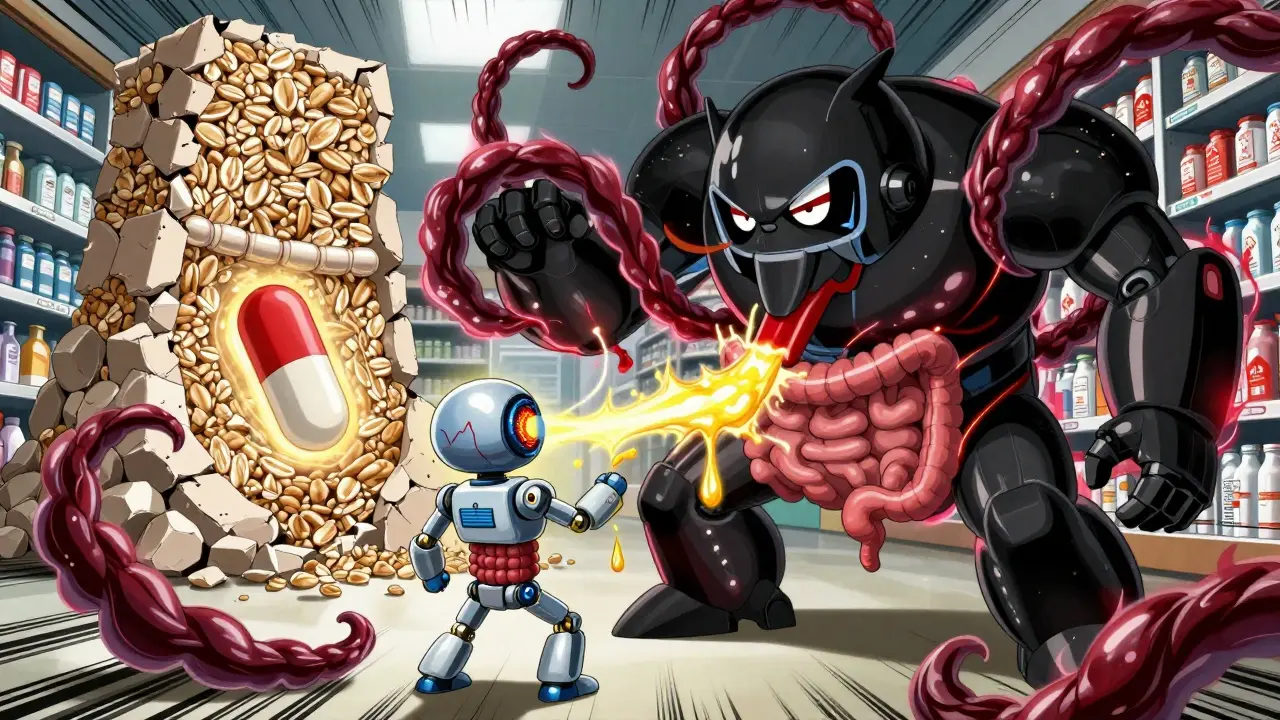
High-fiber foods like oatmeal, bran, psyllium supplements, and even milk can reduce digoxin absorption by 20-40%. A patient in the Mayo Clinic’s database reported their levels stayed low until they stopped eating oatmeal with their pill. The fix? Take digoxin at least two hours before or after these foods. Same goes for fiber supplements - don’t take them within 2 hours of your dose.
St. John’s wort - a popular herbal remedy for mild depression - can lower digoxin levels by 25%. That means your heart failure meds stop working. You might feel worse, think the drug isn’t helping, and increase your dose - which could backfire if you stop the herb later. Tell your doctor about every supplement you take.
Who’s at Highest Risk?
Not everyone on digoxin is at equal risk. Certain traits make toxicity far more likely:
- Age over 75 - Your kidneys slow down. Digoxin builds up faster. Patients over 75 are nearly three times more likely to have toxicity than younger adults.
- Low body weight (under 60 kg) - Digoxin dosing is often based on ideal body weight. A 50 kg woman needs far less than a 90 kg man.
- Chronic kidney disease - If your creatinine clearance is below 50 mL/min, your body can’t clear digoxin well. Levels rise even on normal doses.
- Low potassium - Anything that drops potassium - diuretics like furosemide or hydrochlorothiazide, steroids, or even vomiting - makes digoxin more toxic. That’s why potassium checks are non-negotiable.
- Pre-existing heart block - If you already have a slow heartbeat or AV block, digoxin can make it worse. One study found a 4.3-fold increase in fatal heart block in these patients.
What You Should Do Every Day
Managing digoxin isn’t just about seeing your doctor. It’s about daily habits.
- Take it at the same time every day. Consistency keeps levels stable. Set a phone alarm if you have to.
- Separate from food and fiber. Take it two hours before or after meals, especially oatmeal, bran, or milk.
- Avoid black licorice completely. Read labels on candies, teas, and chewing gum.
- Know your potassium level. If your doctor doesn’t check it monthly, ask. Normal is 3.5-5.0 mmol/L. Below 3.5? That’s a red flag.
- Keep a medication list. Write down every pill, supplement, and herb. Bring it to every appointment. Even over-the-counter antacids (like Tums or Maalox) can cut absorption by 30%.

When to Call Your Doctor Immediately
You don’t need to wait for a lab result to know something’s wrong. These symptoms mean stop and call:
- Blurred or yellow-green vision (classic sign of digoxin toxicity)
- Severe nausea, vomiting, or loss of appetite
- Heart rate below 50 bpm or feeling faint
- New or worsening irregular heartbeat
- Confusion or dizziness you can’t explain
These aren’t side effects you should “tough out.” They’re signs your body is overloaded. Emergency departments see 22% of digoxin-related visits because patients ignored early symptoms.
What’s Changing in 2025?
Doctors are getting smarter about digoxin. A new risk score - developed by the American College of Cardiology - helps predict who’s most likely to have toxicity. It adds up points for age, kidney function, low potassium, drug interactions, and weight. If you score 5 or higher, you need weekly blood tests. That’s a big shift from checking every six months.
There’s also a new extended-release digoxin in trials. Early results show it causes fewer spikes and dips in blood levels. That could mean fewer interactions and less toxicity. But it’s not available yet. For now, the old rules still apply.
And yes, digoxin is being used less. Prescriptions dropped 38% since 2010. But it’s still prescribed to 12% of heart failure patients in the U.S. - and 35% of those with persistent atrial fibrillation. Why? Because it works. And for some, especially older adults on a tight budget, it’s one of the few affordable options. Generic digoxin costs $4-6 a month. Newer drugs can cost $500-700.
It’s not about being outdated. It’s about being used right.
Can I take digoxin with a multivitamin?
Yes - but not if it contains fiber or calcium. Avoid multivitamins with psyllium, calcium carbonate, or iron if taken within 2 hours of digoxin. Stick to a simple daily multivitamin without added fiber or minerals, and take it at least two hours after your digoxin dose.
What happens if I miss a dose of digoxin?
If you miss one dose, take it as soon as you remember - unless it’s almost time for your next dose. Never double up. Missing doses can cause your heart rhythm to become unstable, especially if you have atrial fibrillation. Consistency matters more than perfection.
Is digoxin safe if I have kidney problems?
It can be, but only with strict monitoring. If your creatinine clearance is below 50 mL/min, your dose must be lowered. Many doctors avoid digoxin if clearance is under 30 mL/min. Regular blood tests for digoxin and potassium are required - usually every 2-4 weeks until stable.
Can I drink alcohol while taking digoxin?
Moderate alcohol (one drink per day) is usually okay, but heavy drinking increases your risk of arrhythmias and can worsen heart failure. Alcohol also dehydrates you, which can lower potassium and raise digoxin levels. If you drink, keep it light and talk to your doctor.
Why do I need blood tests if I feel fine?
Digoxin toxicity doesn’t always cause obvious symptoms - especially in older adults. Many patients feel “normal” until their heart suddenly goes into a dangerous rhythm. Blood tests catch rising levels before you feel sick. That’s why even if you feel fine, your doctor needs to check your levels every 3-6 months - or more often if you’re on interacting drugs.
Are there alternatives to digoxin?
Yes - but they’re not always better. For heart failure, newer drugs like sacubitril/valsartan (Entresto) and SGLT2 inhibitors (Farxiga) are often preferred. For atrial fibrillation, rate control can be managed with beta-blockers or non-dihydropyridine calcium channel blockers. But digoxin still has a role - especially when symptoms persist despite other treatments, or when cost is a barrier. It’s not the first choice anymore, but for the right patient, it’s still the right choice.
Final Thought: It’s Not About Fear - It’s About Awareness
Digoxin isn’t dangerous because it’s bad. It’s dangerous because it’s powerful - and easy to mismanage. Thousands of patients take it safely every day. They do it by knowing the risks, tracking their habits, and staying in touch with their care team. You don’t need to stop taking it. You just need to know what to watch for. Your heart depends on it.
Mark Able
December 18, 2025 AT 21:41Dorine Anthony
December 19, 2025 AT 17:21James Stearns
December 21, 2025 AT 04:16Dominic Suyo
December 22, 2025 AT 16:00Janelle Moore
December 23, 2025 AT 01:32Emily P
December 23, 2025 AT 04:10Vicki Belcher
December 23, 2025 AT 14:04Alex Curran
December 24, 2025 AT 12:58Allison Pannabekcer
December 24, 2025 AT 22:30Sarah McQuillan
December 26, 2025 AT 04:29Aboobakar Muhammedali
December 26, 2025 AT 23:40Alana Koerts
December 28, 2025 AT 17:39Gloria Parraz
December 30, 2025 AT 12:16Sahil jassy
January 1, 2026 AT 11:02Kathryn Featherstone
January 1, 2026 AT 20:33